Pneumatic Fittings and Accessories Guide

Flowtech
What are pneumatic Fittings?
Pneumatic systems are automated machines or processes powered by the controlled movement of compressed air or pressurised gas. Pneumatic systems stand in opposition to hydraulic systems, which are driven by compressed liquids. In pneumatic systems, the air or gas that powers the mechanism is usually delivered through a network of sealed pipes, hoses and tubing. These are typically connected to each other and to other devices by a variety of pneumatic fittings, valves, couplings, caps, plugs, valves and adaptors. Pneumatic fittings normally feature lower pressure requirements than hydraulic fittings. They also tend to come with tighter seals.
Pneumatic fittings are utilised in a huge range of applications including industrial machinery, tools and equipment. They are also used in various industries such as assembly and production and construction. Pneumatic systems are often more cost-effective than their hydraulic and electric counterparts.
What Are Pneumatic Fittings Used to Connect?
Pneumatic fittings can be attached to a huge range of devices and conduits in different parts of air systems — the main ones are hoses, pipes and tubing. What pneumatic fitting you opt for will largely depend on the system’s operating pressures. Your choice should also depend on the type and material of the conduit that will be connected to the fitting.
Hoses
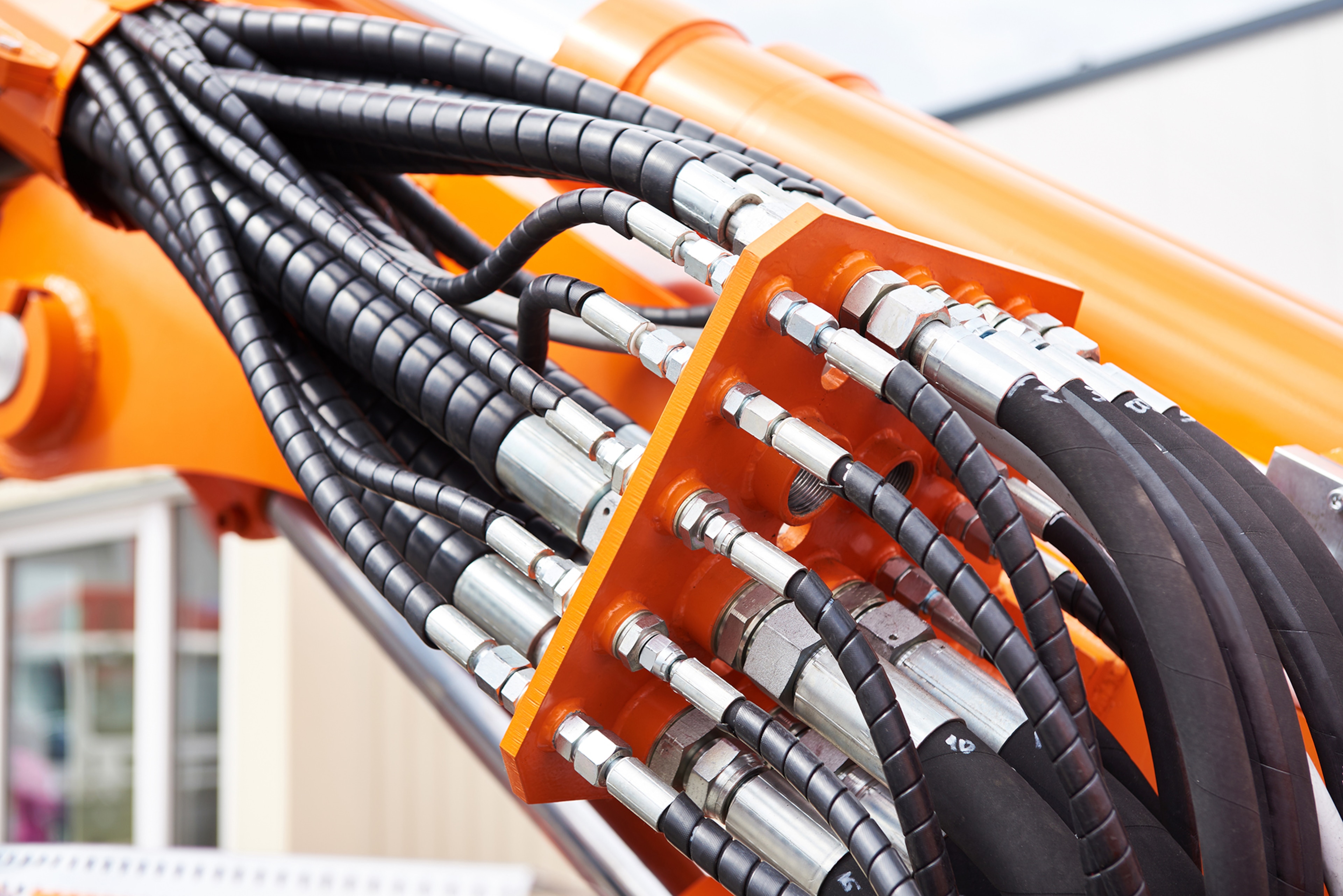
Usually made from layers of plastic or rubber-type material, hoses require regular replacements. As such, pneumatic fittings designed to connect air hoses should be easy to install and uninstall and do not need to be permanent since they can be replaced at the same time as the hose.
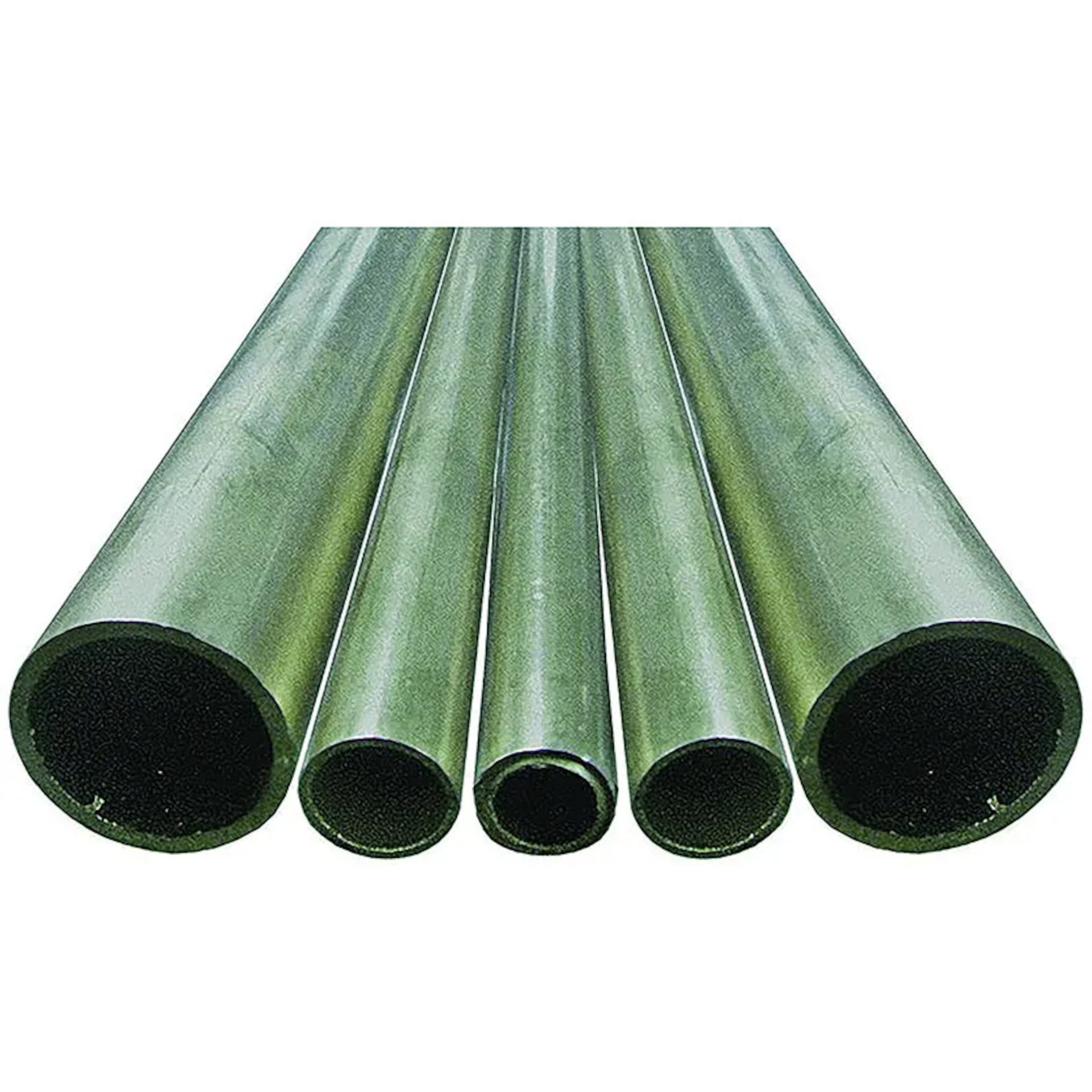
Pipes
Pipes are usually made from a more solid material than hoses. They are also often used for more permanent installations. As such, air pipe fittings do not need to be as easy to install and uninstall as air hose fittings. Pipes are sized by measuring their inner diameter.
Tubing
Tubing falls somewhere between hoses and pipes. It has some flexibility but is less permanent than pipe assemblies. Tubes are sized by measuring their outer diameter.
Functions of Pneumatic Fittings
Different pneumatic fittings perform different functions in an air system. These include extending or blocking tubing, changing air direction and connecting tubes of different sizes. Here are just some of the most popular functions of pneumatic fittings.
- Adapters: Connect two different hose types via threading, soldering or solvent welding.
- Couplings: Connect two similar hose types via threading, soldering or solvent welding.
- Caps: Cover the end of hoses. They are attached via a thread, soldering or welding.
- Plugs: Close air flow at the end of hoses. They are inserted inside hoses and held in place via thread, soldering or welding.
- Unions: Connect two hoses via thread. Easy to install and uninstall.
- Reducers: Connect two or more differently sized hoses.
- Elbows: Change the direction of airflow. Elbows can have angles of 90 degrees, 45 degrees and even 22.5 degrees.
- Crosses: Connect four hoses. They come with either one inlet and three outlets or three inlets and one outlet.
- Tees: T-shaped connectors designed to join three hoses
Pneumatic Fitting Materials
Pneumatic fittings are made from a variety of materials, including metals, plastics and composites.
- Aluminium: Low density in low-pressure environments, corrosion-resistant, often alloyed with copper, zinc or silicone to increase its strength.
- Steel: Strong and heat resistant, often alloyed with other materials, such as zinc, for better corrosion resistance.
- Stainless Steel: Strong and corrosion-resistant, usually more expensive than steel.
- Brass: Strong and corrosion-resistant, great conductivity, often used in threaded pneumatic fittings.
- Polytetrafluoroethylene and Polyvinylidene Fluoride: Polymers resistant to extreme temperatures of up to 250 degrees Celsius, resistant to chemicals.
- Polypropylene: Strong and compatible with a variety of materials, UV-resistant, affordable.
- Composites: Made from a blend of materials with high melting points including fibreglass, carbon and graphite, low thermal and electrical conductivity, resistant to chemicals.
How to install pneumatic push fittings
To connect a conduit to a pneumatic push fitting simply push it into the end of the fitting with a release ring. This will cause the internal lock claws to clamp around the conduit to ensure a secure and leak-free connection.
How to uninstall pneumatic push fittings
To disconnect a conduit from a pneumatic push fitting disengage the internal lock claws by pushing the release ring.
Different Types of Pneumatic Fittings
Designed with different functions and connection styles in mind, here are some of the most popular pneumatic fitting types.
Pneumatic Straight Fittings
Pneumatic straight fittings feature a thread on one side and a tube connector on the other. They can be used with a variety of conduits. They are available in a range of thread sizes, diameters and grades.
Pneumatic Elbow Fittings
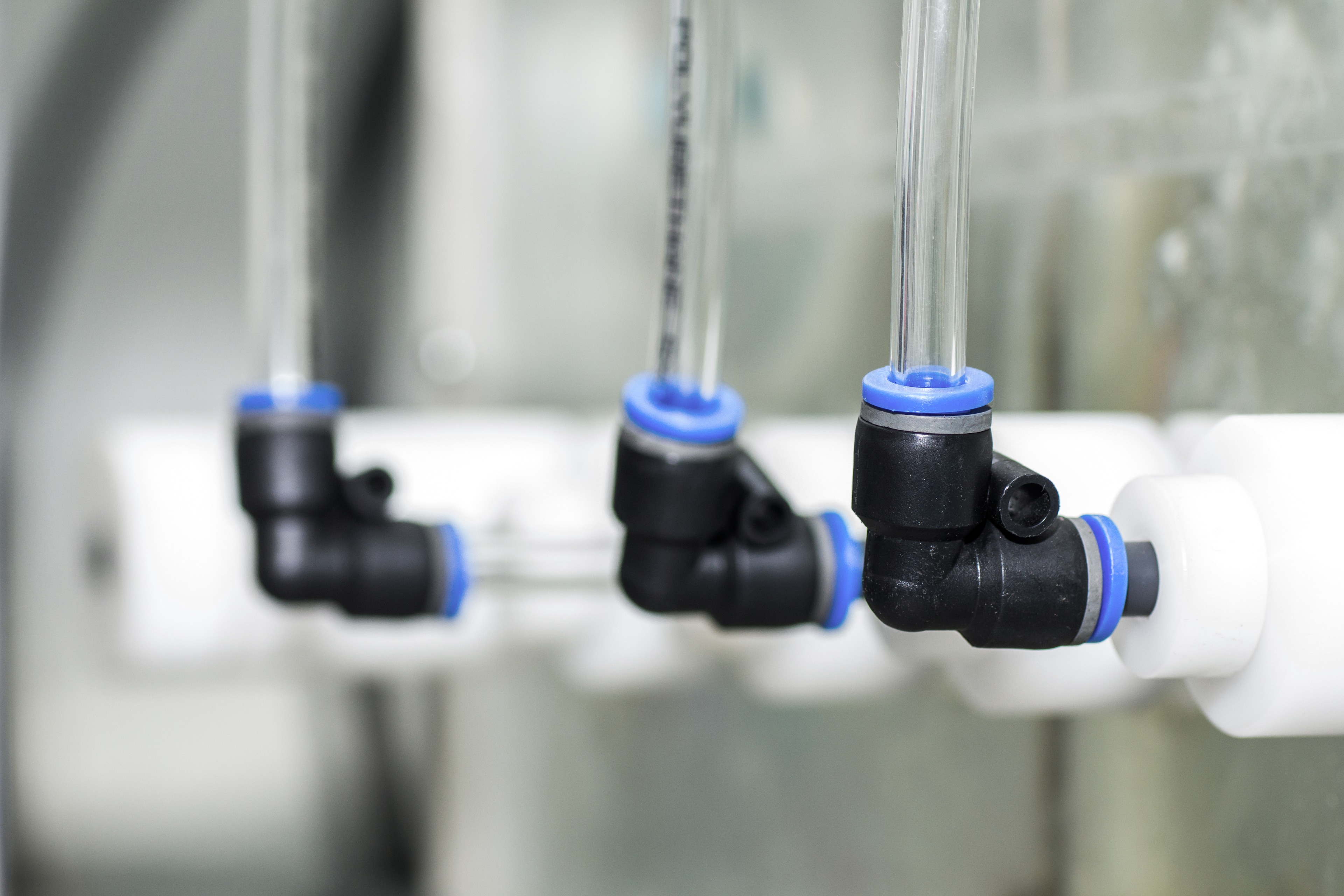
Most pneumatic elbow fittings feature a 90-degree joint. They have three openings and are used to connect one or more hoses, tubes or pipes.
Pneumatic Y Fittings
Pneumatic Y fittings feature three openings connected at 45-degree angles. They are often used in robotics, packaging, as well as the airline and automotive industries.
Pneumatic T Fittings
Often used in pressure or vacuum applications, pneumatic T fittings are used to create connections with threaded ports. Both the branch and end connectors in pneumatic T fittings can come in either gender.
Pneumatic Function Fittings
Pneumatic function fittings come with three openings and a 90-degree joint. They are made from a variety of materials such as brass, copper, aluminium alloy, steel alloy and PBT. Highly versatile, they can fill many functions including airflow regulation, blocking and supply.
Different Types of Pneumatic Fitting Connections
Pneumatic fitting connections come in a variety of styles and assembly methods. Some of the most popular pneumatic fitting connection types include.
Pneumatic Push Fittings
Also sometimes referred to as push-to-connect fittings or push-in fittings, pneumatic push fittings are used to connect hoses in a pneumatic system. They are leak-free and feature between one and six inlets or outlets. Pneumatic push fittings sometimes come with built-in pressure gauges or silencers.
Quick Release Couplings
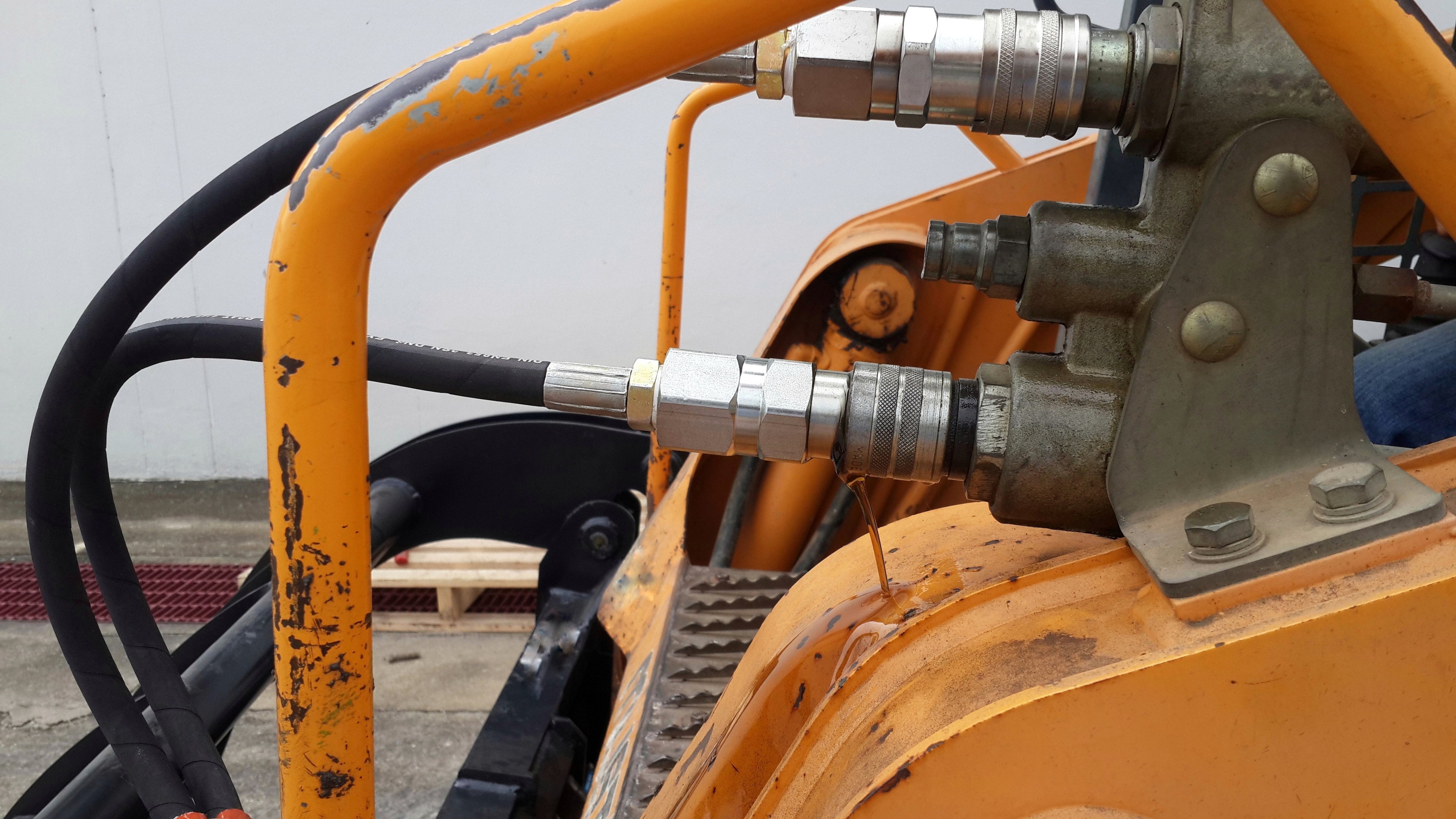
Quick release couplings are designed to connect airlines to air compressors and air tools. They are composed of a female and a male part that hold internal pressure after they are connected. The connection is flexible enough to let the joint move, which minimises the risk of kinks in the hose. Quick release couplings automatically seal when disconnected, so there is no need for a shut-off valve.
Tube to Tube Pneumatic Fittings
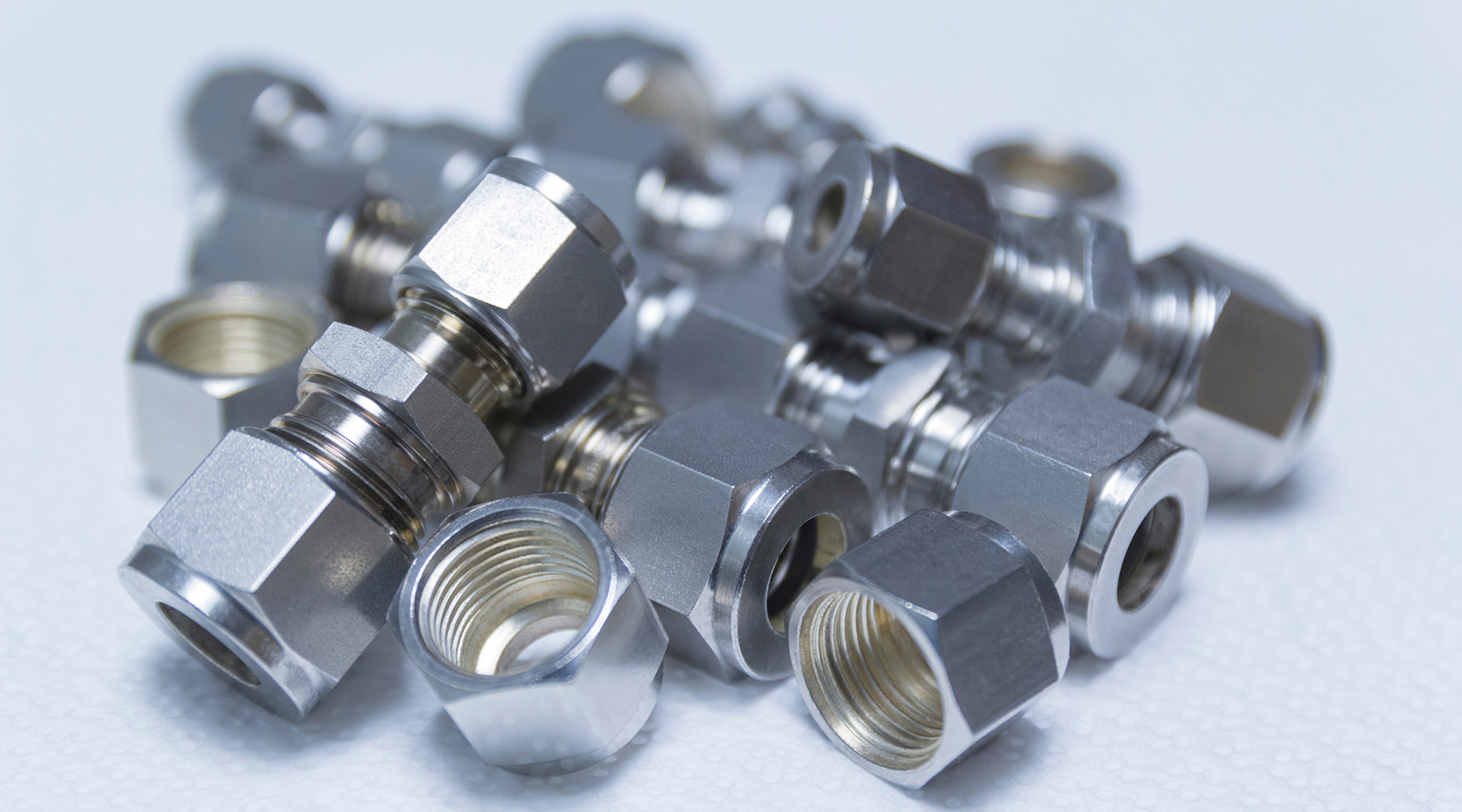
Available in different materials, sizes and diameters, tube to tube pneumatic fittings connect two tubes together. The tubes can be connected straight or at an angle.
Thread to Tube Pneumatic Fittings
Thread to tube pneumatic fittings feature threading on the inner or outer (female or male) edge, which connects to the matching threading on the conduit. Pneumatic fittings with straight threading usually need a sealant coating to make them air-tight. Pneumatic fittings with tapered threading usually create an airtight seal and as such do not need sealant coating. This type of fitting is a better choice for use in some environments since sealant coating can create contamination or corrosion.
Thread to Barb Air Fittings
Thread to barb air fittings are a push-on style fitting that involves a hose being pushed over a barbed fitting end. The hose is then secured over the fitting with a knurled nut to provide an airtight connection.
Threaded Adaptors
Thread adaptors are utilized to change conduit type or thread size. They can be either male to male, female to female and male to female and come in a variety of BSP sizes such as ⅜ inch, ½ inch, ¾ inch and 1 inch.