
Filter Regulator Lubricators

Flowtech
What are Filter Regulator Lubricators?
Filter Regulator Lubricators, or FRLs, clean and reduce friction in air compressor systems such as motors, pneumatic valves, cylinders, air motors and air tools. FRLs are usually made up of three main components – a filter, a regulator and a lubricator. Since air provided by compressors can be over-pressurised, contaminated with particles, oil or water and non-lubricated, FRLs are often essential to ensuring that air tools perform at their very optimum. They can also prevent damage and prolong the life of equipment.
Filters
Filters clean compressed air by creating cyclonic movement that separates heavier particles such as debris and liquids such as water and oil. In addition, filters trap and remove other smaller particles such as dust and rust from airflow.
Filters come in different mesh sizes. General purpose filters measure 40 microns, but they can also come as small as 5 microns. As a rule of thumb, a 40-micron filter (a filter that removes all particles larger than 40 microns) is effective at removing around 95 percent of contaminants. A 5-micron filter can then be used to remove most of the remaining particles.
Regulators
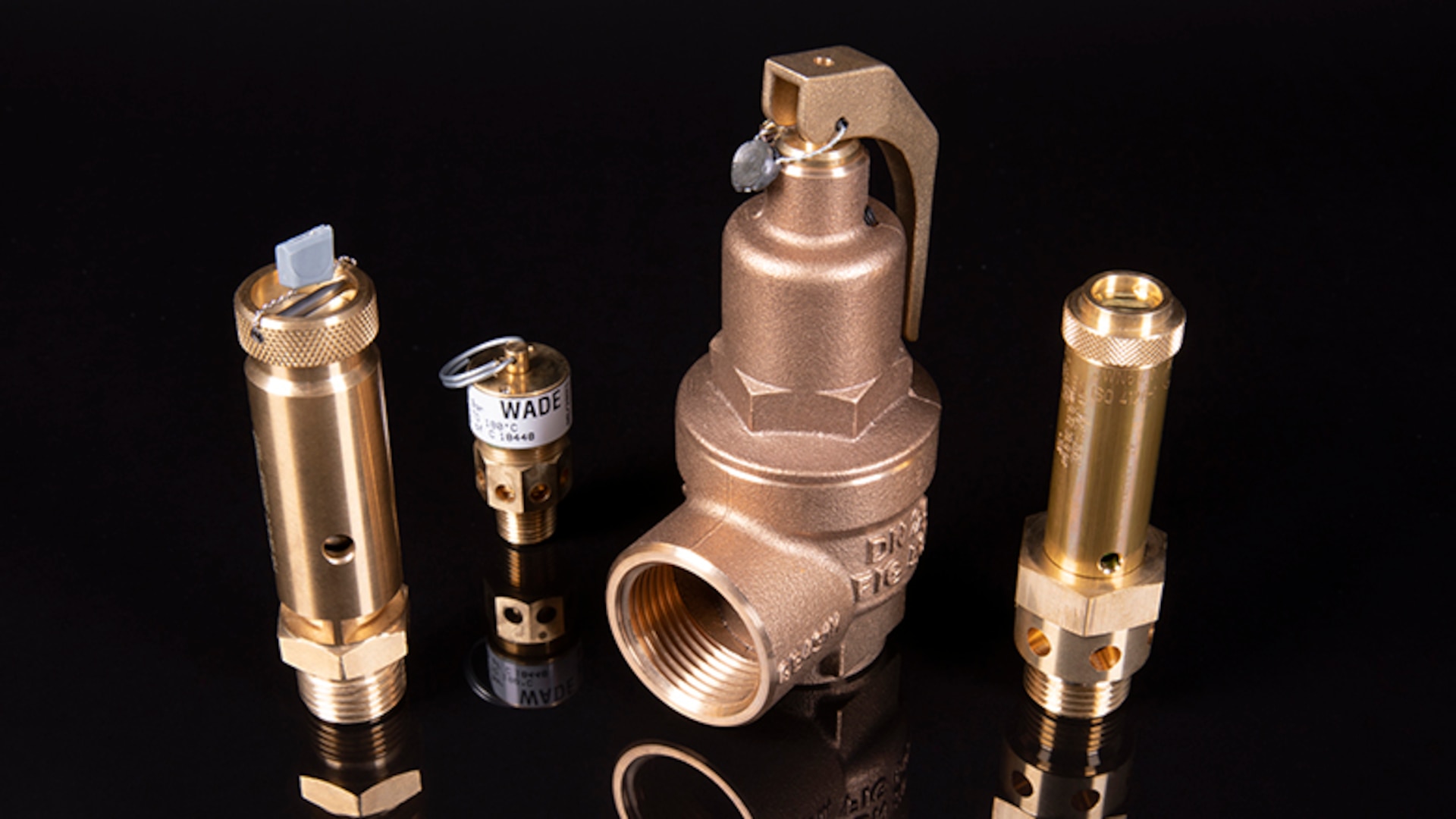
Also called pressure reducing valves, regulators manage pressure in compressed air systems. Ideally, regulators should maintain constant pressure. This is important because unregulated pressure can increase energy consumption and decrease the lifespan of the equipment. Two of the most well-known regulator brands are Norgren regulators and Parker regulators.
Regulators are used for controlling pressure in a huge range of tools and equipment, including.
- Blowguns.
- Fluidic systems.
- Air tools such as pneumatic sanders, air-powered hammers and pneumatic staple guns.
- Air cylinders, bearings, logic valves and motors.
- Air gauging equipment.
- Aerosol lubrication systems.
Lubricators
Lubricators reduce component friction by delivering metered amounts of oil into compressed air systems. This ensures that there is never too much or too little oil in the system. They also help to clean compressor oils. The size of lubricators depends on the downstream flow requirements. Lubricators are easy to maintain — all that is required is a regular refill of the oil reservoir.
There are two main types of lubricators.
Oil-fog lubricators pass all oil droplets into the airflow. This lets relatively large droplets through and is perfect for heavy equipment.
- Micro-fog lubricators atomise and collect droplets of around 2 microns before they are drawn into the airflow. Usually only 10 percent of the visible particles are passed downstream. Micro-fog lubricators are perfect for complex systems with numerous components.
Main Things to Take Into Account When Buying a Filter Regulator Lubricator
The Environment
Different types of FRLs are suitable for different environments. For instance, metallic filters are ideal for industrial environments including shipyards, foundries and settings that involve heavy machinery. On the other hand, composite FRLs are a good choice for light industries such as automotive services.
FRL Type
Most situations require FRLs with either two or three stages. While both these FRL types deliver filtration, regulation and lubrication, they come in different sizes (two-stage FRLs are more compact and aesthetically pleasing). Nevertheless, three-stage FRLs are a better option for environments that require higher dynamic pressure. If you only need a unit that performs one function — filtration, regulation and lubrication — you can opt for a one-stage FRL that offers that particular function.
Airline Installation Thread and Standards
Before investing in an FRL, it is important to select the right thread size. These come in ¼, ½, ¾ and ⅜. In addition, there are some differences in sealing types. While most pressure systems use BSP or the British Standard, pressure systems in the oil and gas industry tend to use NPT or the National Pipe Thread.
Airline Installation Thread and Standards
Before investing in an FRL, it is important to select the right thread size. These come in ¼, ½, ¾ and ⅜. In addition, there are some differences in sealing types. While most pressure systems use BSP or the British Standard, pressure systems in the oil and gas industry tend to use NPT or the National Pipe Thread.
Airflow
When selecting an FRL, it is important to take into account the airflow required by your equipment. Airflow is measured in either litres per second (l/s) or in cubic feet per minute (cfm). You can find these specifications in the manufacturer’s recommendations for your air tool. Always pick an FRL that features an airflow capacity better than that required by the air tool.
Selecting FRL Components
Filters, regulators and lubricators can all be bought individually. They can also be purchased as combos such as filter and regulator (FR) or filter, regulator and lubricator (FRL). If your tool is self-lubricating, you can probably get away with an FR, but it is better to opt for an FRL if your air tool requires external lubrication.
When selecting an FRL it is also crucial to take into account the air requirements of the system. As a general rule, the recommendation is that a pneumatic system needs to have at least one filter and one regulator. A lubricator can be unnecessary since many modern air tools feature self-lubricating seals.
Norgren Regulators
Norgren Regulators offers different FRL combinations and maintenance units. Norgren’s FRL box sets deliver a variety of different components including filter/regulators and lubricators, as well as shut-off valves and mounting brackets.
Parker Regulators
Parker Regulators supplies durable and efficient FRLs specifically tailored for use in a variety of industries including oil and gas, automotive, marine, power generation, renewable energy, healthcare, refrigeration, heat, ventilation and air-conditioning, and electronics.
FAQ's
What automotive oil is best for FRL units?
Using the right lubricating oil is essential to stop air motors from seizing up. To get the best possible performance from an FRL unit, use petroleum-based detergent motor oils. Never use synthetic oils since they can leave grease in the unit.
How to choose the right filter for compressed air?
Compressed air is not always clean. It can carry contaminants such as rust and dust, as well as oil and water. As such, filtering compressed air is crucial to the longevity of your air tools. Filters are classified according to the particle size that they trap. As such, a 40-micron filter will trap particles that are 40-micron or larger. These are generally sufficient for many industrial applications. While finer filters may seem like a good idea, investing in a filter that is finer than necessary has its drawbacks. The finer the filter, the higher the pressure drop and energy costs, as well as the risk that the filter may become clogged by contaminants.
What are the different types of pressure regulators?
Regulators keep air pressure at a constant level to ensure the optimal performance of pneumatic equipment. There are different types of pressure regulators. The most basic regulator is a poppet-style valve. It comes with an adjustable spring and does not feature a separate diaphragm chamber.
As their name suggests diaphragm chamber regulators feature a separate diaphragm chamber. Diaphragm chamber regulators are more complex, larger and pricier than poppet-style valves. Finally, balanced poppet and precision regulators are essentially the same as the diaphragm chamber regulators with the exception that they feature a pressure-balanced poppet.
Why are lubricators important?
Lubricators source oil from a reservoir and release it into the air stream. Most air tools and system components perform at their best when lubricated. As such, adding oil mist to an air stream can provide continuous lubrication for motors, cylinders and valves.
It is important that the lubricator is located downstream from the filter and pressure regulator. This ensures that exactly the right amount of oil reaches the device (too much oil can cause contamination while not enough oil can shorten the lifespan of a tool or even cause it to break down). Intermittent lubrication is also not recommended since it can cause oil to form a dry layer inside the equipment.